


Every market cycle tells a familiar story.
Periods of growth build confidence. Rising portfolios reinforce belief. Participation increases, and over time, risk is often underestimated.
Then, a disruption occurs.
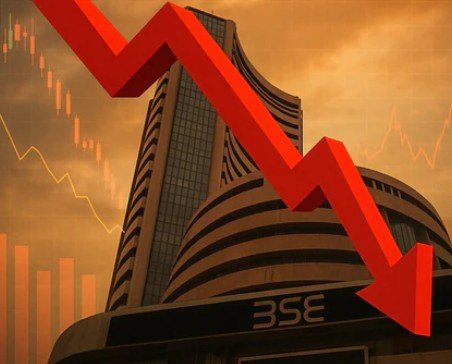
It may be triggered by global events, economic shifts, or unforeseen crises. Markets correct sharply. Volatility rises. Sentiment weakens.
And in that moment, the true nature of investing is revealed.
When Markets Change, Behavior Follows
During market downturns, three patterns typically emerge:
- Investments are redeemed to “limit further losses”
- Systematic investments are paused
- Fresh investments are deferred until “clarity returns”
These reactions are not uncommon. They are driven by uncertainty and the natural tendency to protect capital.
However, they often come at a cost.
Because market corrections, while uncomfortable, also create valuation opportunities—moments where long-term return potential improves.
Be fearful when others are greedy and greedy only when others are fearful.
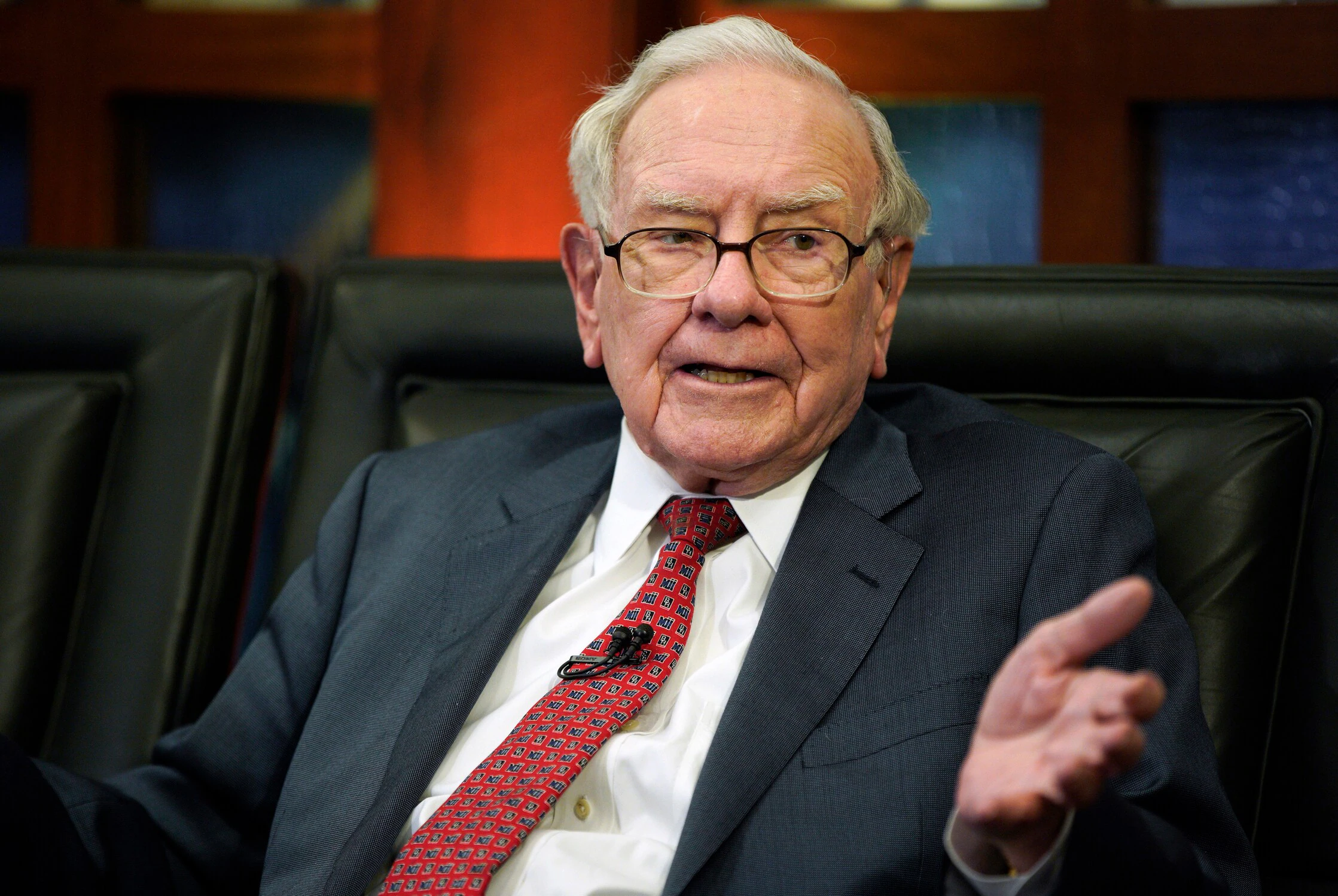
Warren Buffet
The Oracle of Omaha
Cash: Preparedness Over Performance
In rising markets, cash is often viewed as underutilized capital. But during periods of stress, its role changes significantly.
Cash provides:
- Liquidity without the need to liquidate investments at a loss
- Stability in uncertain conditions
- The ability to deploy capital when markets correct
Without adequate liquidity, investors may be forced into decisions that are reactive rather than strategic. With liquidity, the ability to act remains intact.
Courage: The Decisive Factor
While liquidity enables action, execution depends on conviction.
Courage in investing is not about taking undue risk. It is about:
- Continuing systematic investments despite volatility
- Maintaining alignment with long-term goals
- Gradually allocating capital during corrections
This requires a shift in perspective—from viewing market declines as losses to recognizing them as phases within a broader cycle.
Crises: Disruption or Opportunity
Market crises are often perceived purely as risks. In reality, they are also reset mechanisms.
They:
- Correct excess valuations
- Rebalance risk across asset classes
- Create entry points for long-term investors
Historically, periods of maximum pessimism have been followed by phases of recovery and growth.
However, participation in that recovery depends on positioning during the downturn.
Bringing It Together: A Simple Framework
Sustainable wealth creation is rarely driven by isolated decisions. It is the result of a structured approach:
- Cash ensures preparedness
- Crises create opportunity
- Courage enables execution
The absence of any one element weakens the overall outcome
Conclusion: Wealth is Built in Phases of Discomfort
Market stability encourages participation, market volatility instills discipline, and market crises ultimately create wealth—but only for those who are prepared. Long-term success in investing is not about avoiding downturns; rather, it is defined by the ability to respond to them with preparation, discipline, and conviction.